Sonoran Desert

Program

The program during the residency consisted of a series of talks and workshops given by a number of curators, scientists, and other professionals. Felipe Ávila, Danton Bazaldua, Marcela Ávila, Sooja Flores Fuentes, Cristina Elena Lizarraga, Lidia Montoya, Arturo Montero, Karen Reyes, and Itala Schnetz visited the residents to explore topics such as planetary geology, science fiction, analog missions, astrobiology, and astronautical engineering, among other disciplines.

Artistxs seleccionadxs
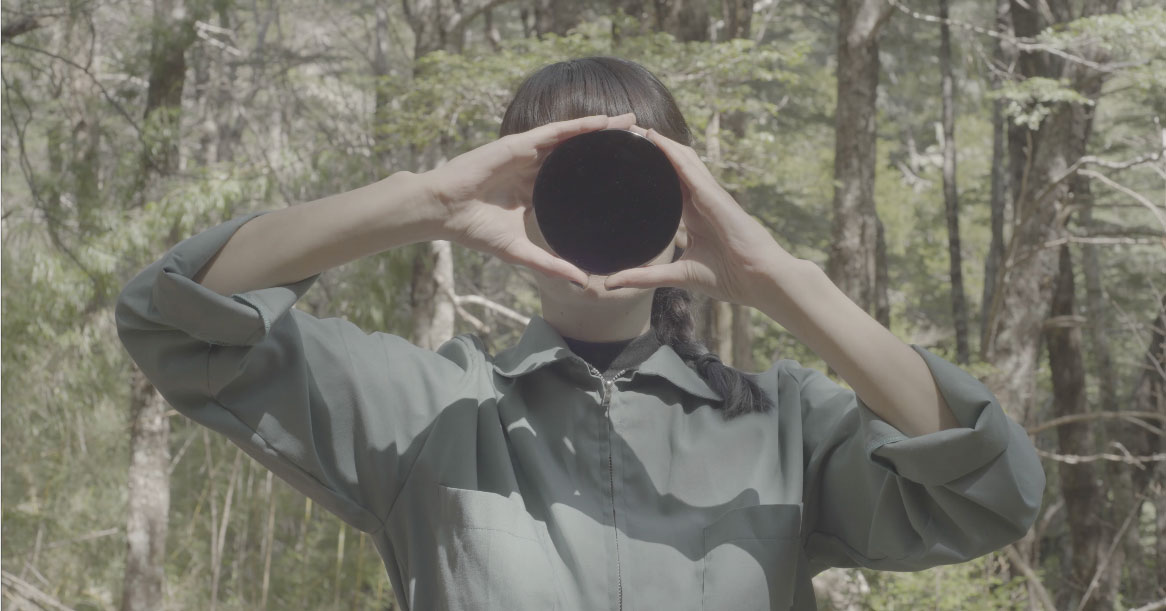
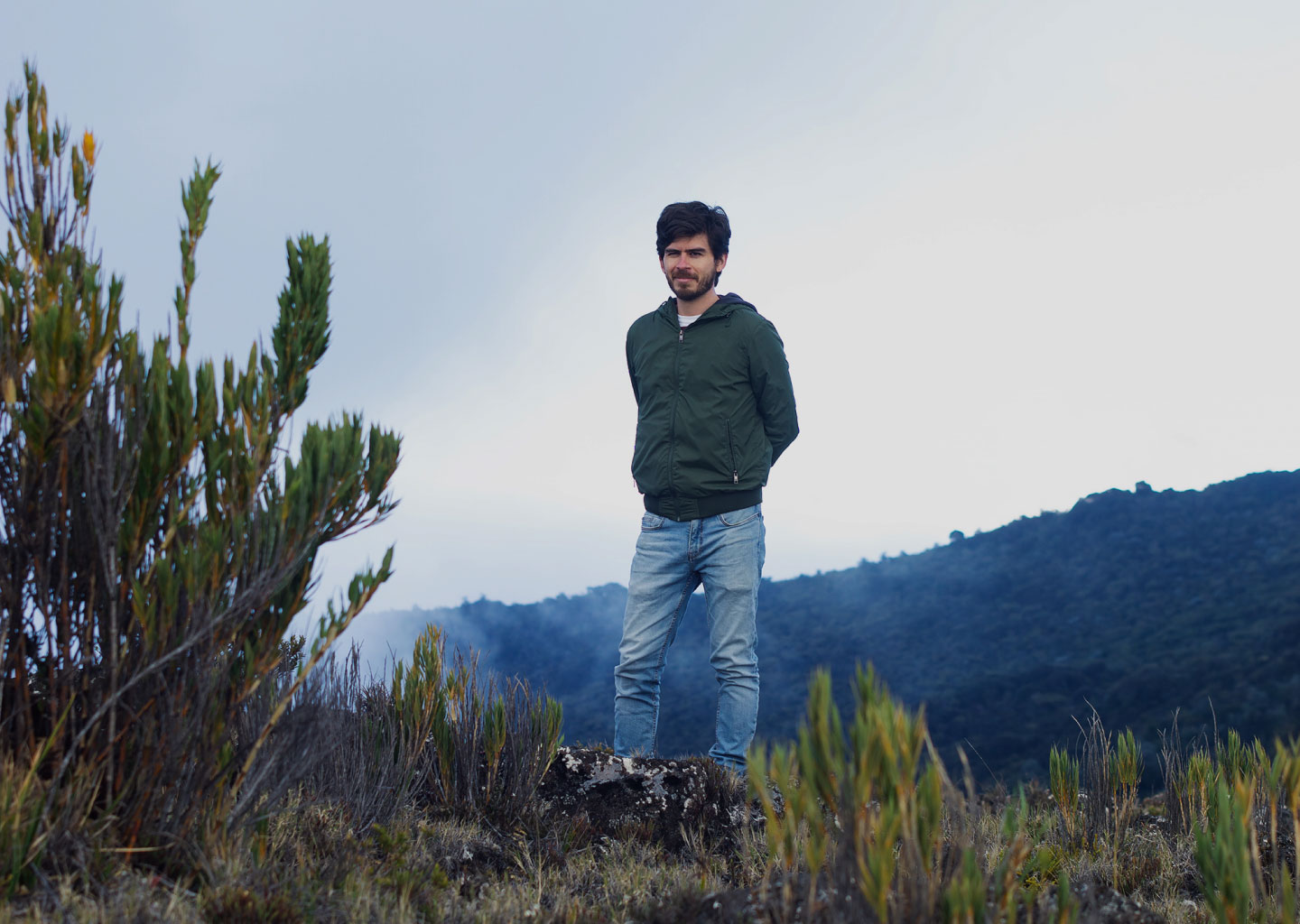
Elisa Balmaceda (Chile)
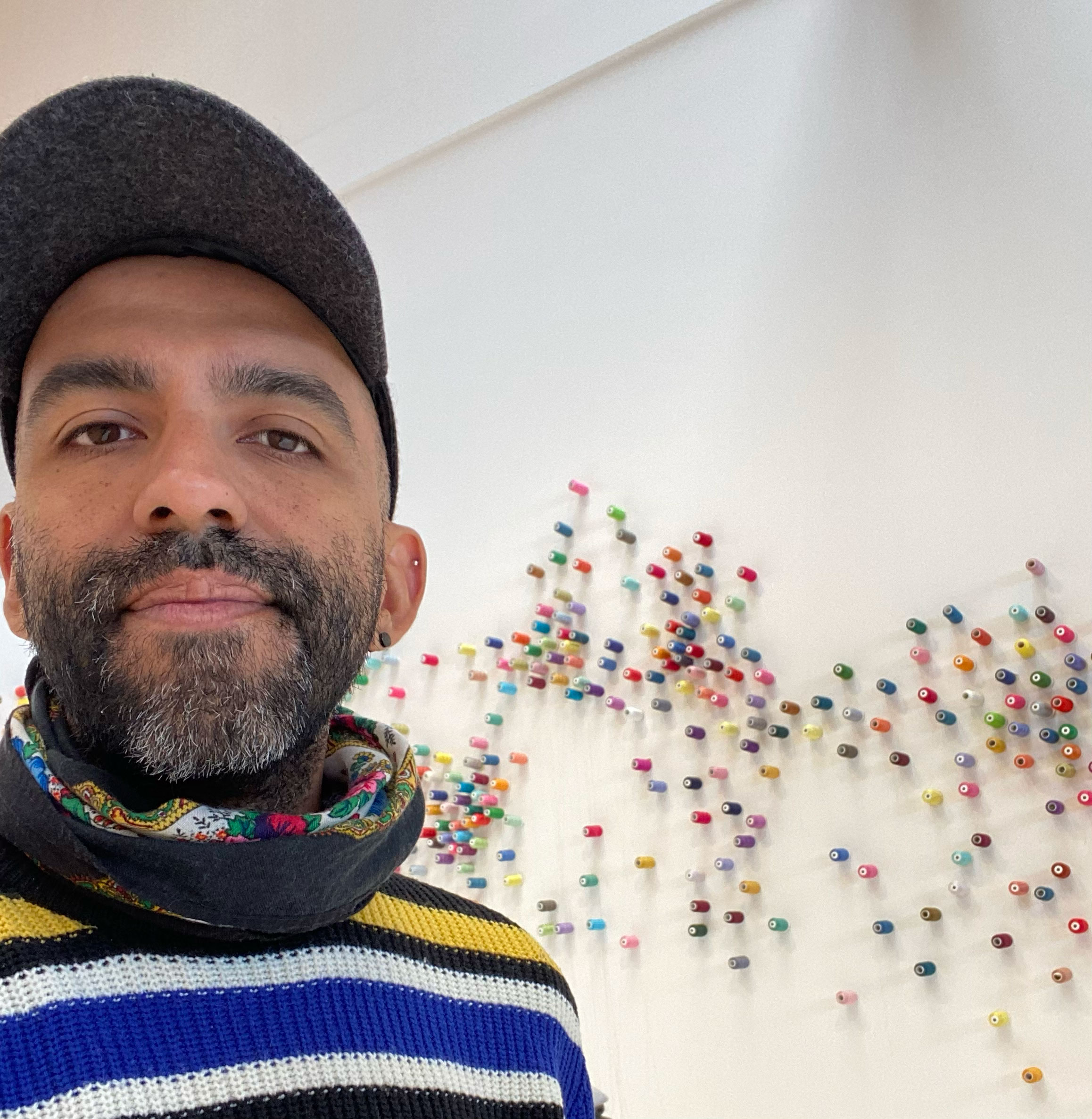
Luis Williams-Fallas (Costa Rica)
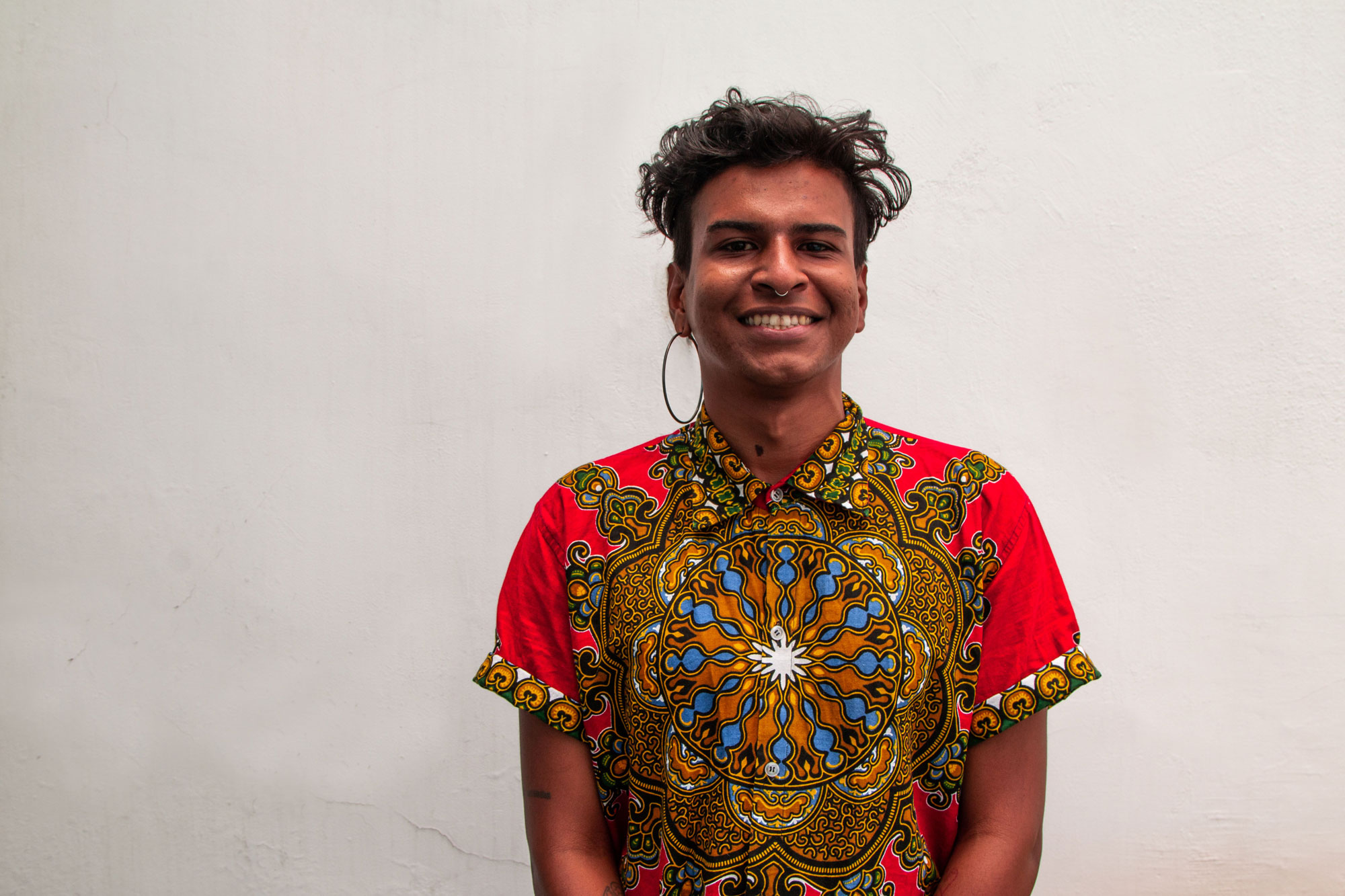
Nahuel Sanchez Tolosa (Argentina)
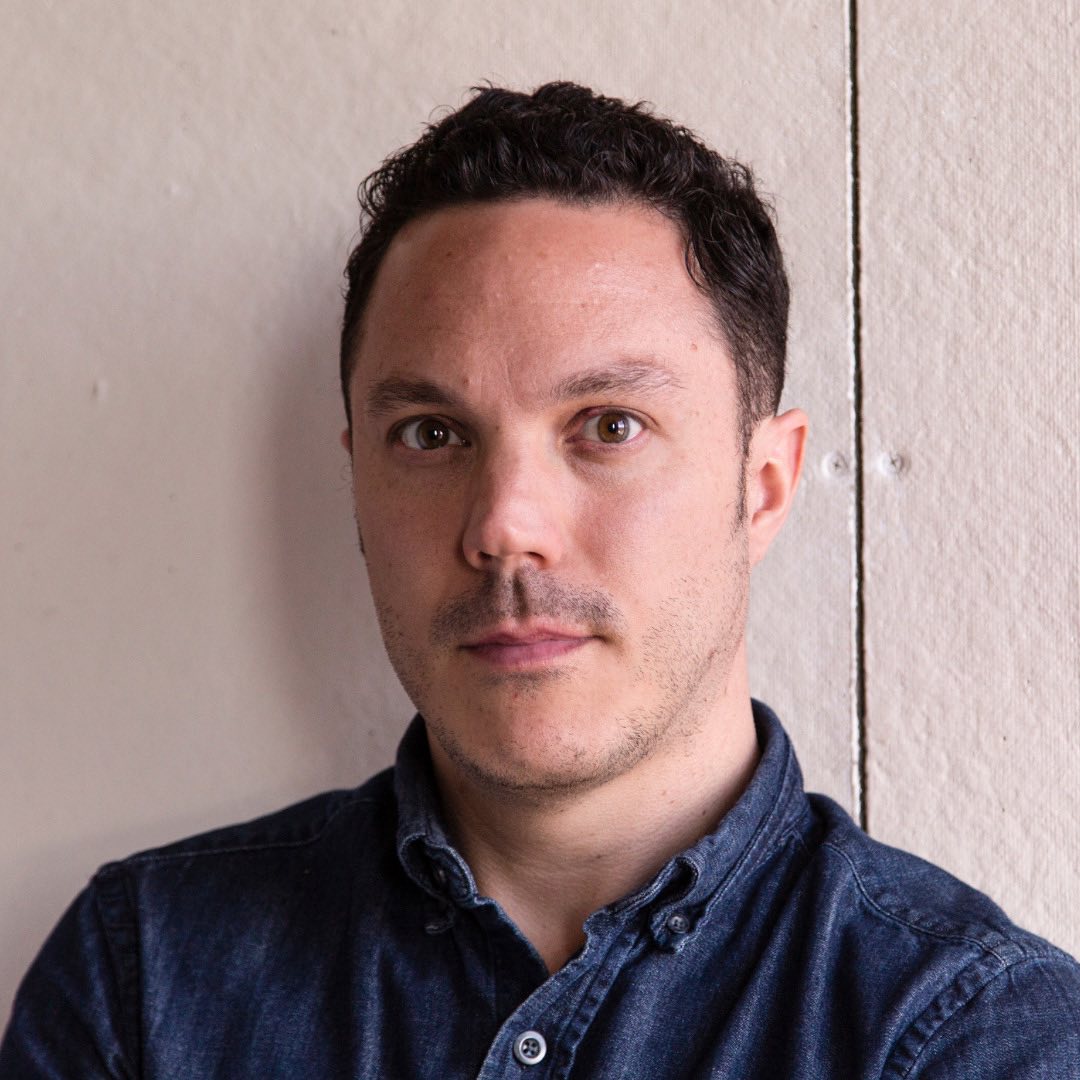
Rastros de Diógenes (Brasil)

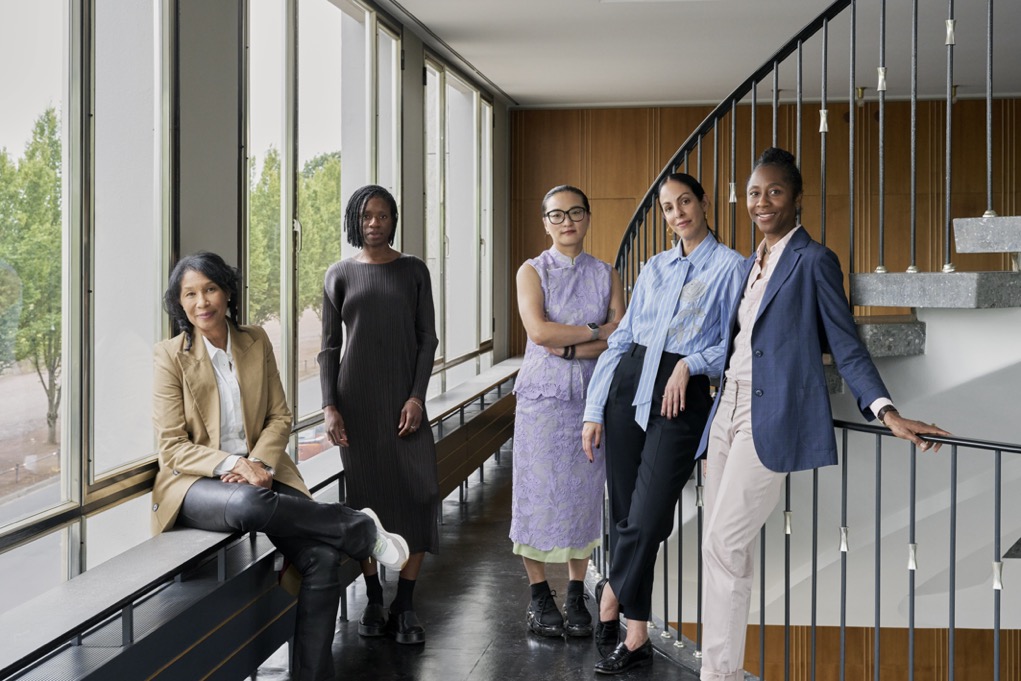
Comité de selección

Nahum Romero (México/Alemania)
Marcela Guerrero (Puerto Rico / EEUU)
Ana Roman (México)
Mónica Hoff (Brasil)
Miguel Braceli (Venezuela / EEUU)
Ana Cristina (México)
Patricio Mariano (El Salvador)

We thank our incredible jury, who carefully reviewed the more than 900 applications we received, and also all the artists who applied.
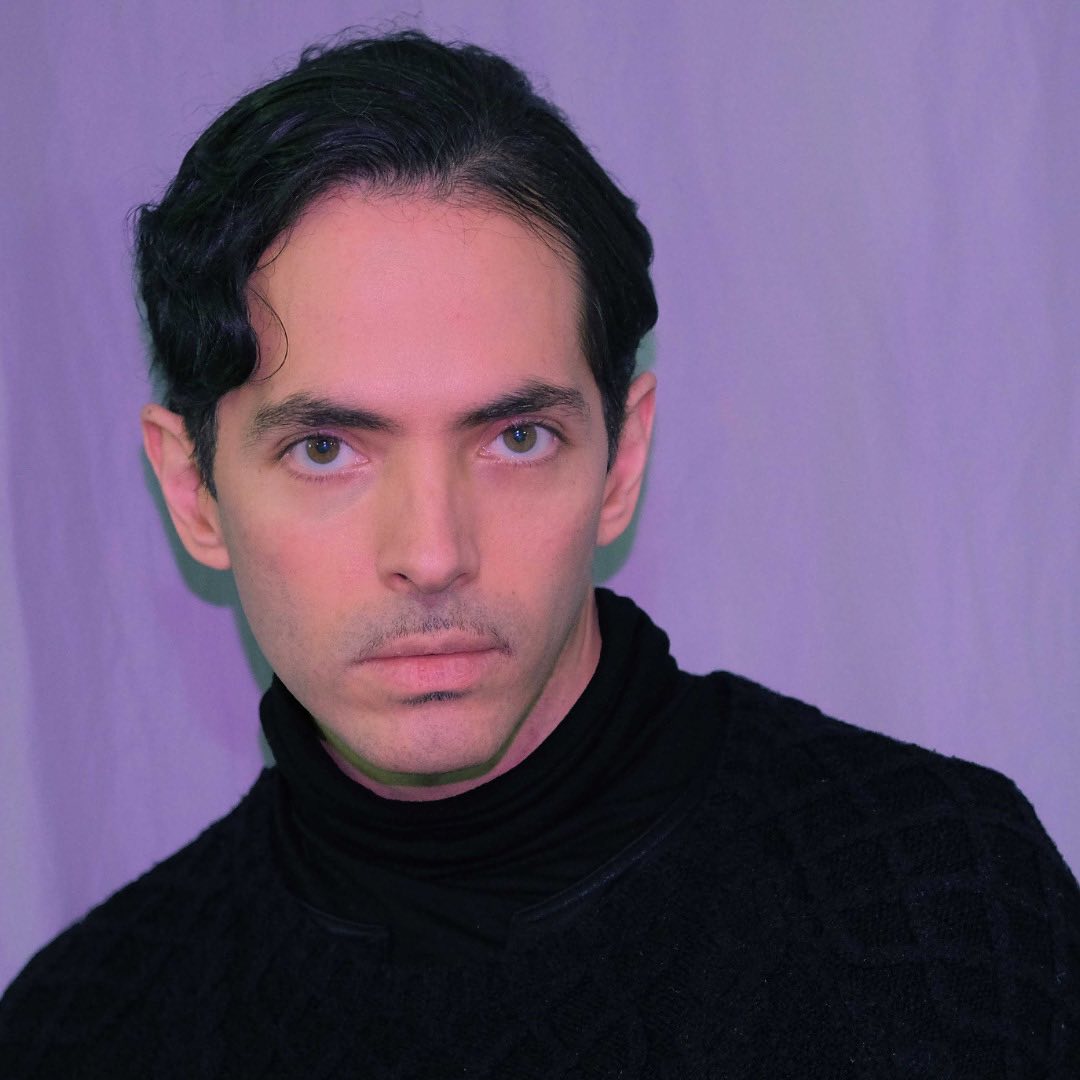

Editorial
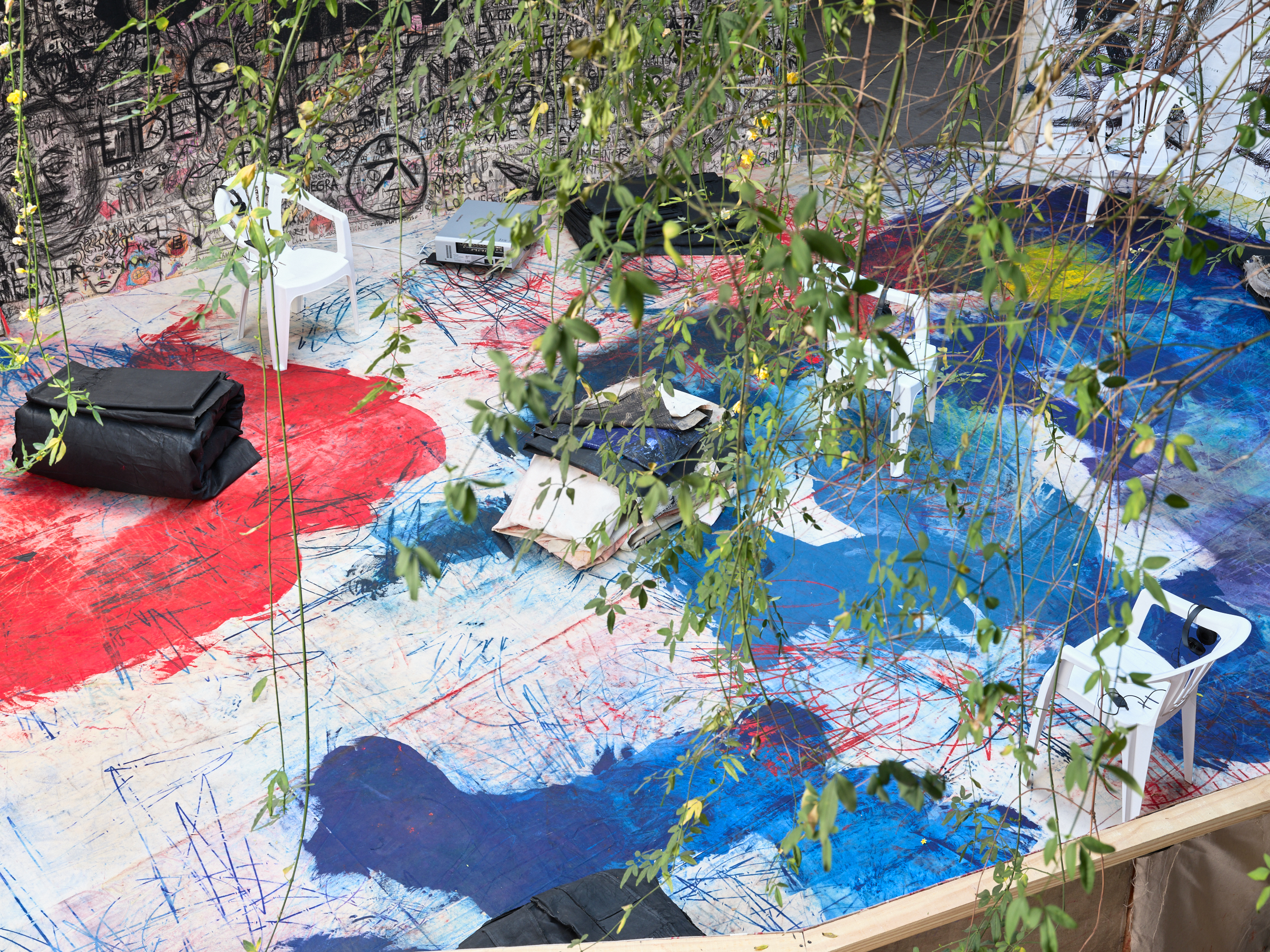
“El pozo de agua”: Notes Toward a Monist Theory of Art and Collectivity
29 de April, 2026
Is there authorship in merchandise?
29 de October, 2022
Why dOCUMENTA Must Be Abolished?
21 de September, 2025

Exhibition

Museo de arte contemporáneo de Sonora MUSAS
December 6- April 4 2025

Interplanetary Simulacra
Museum of Contemporary Art of Sonora (MUSAS)
December 6 – April 4, 2025

Embarking on a journey to imagine possible worlds means approaching the territory through essays and drawings, and getting to know it at the borders between the earthly and the cosmic, the natural and the manufactured. It means leaving Earth for a moment, envisioning the endless abyss of the ends of the world that claim us, imagining festivities, and returning to reconfigure something, anything.

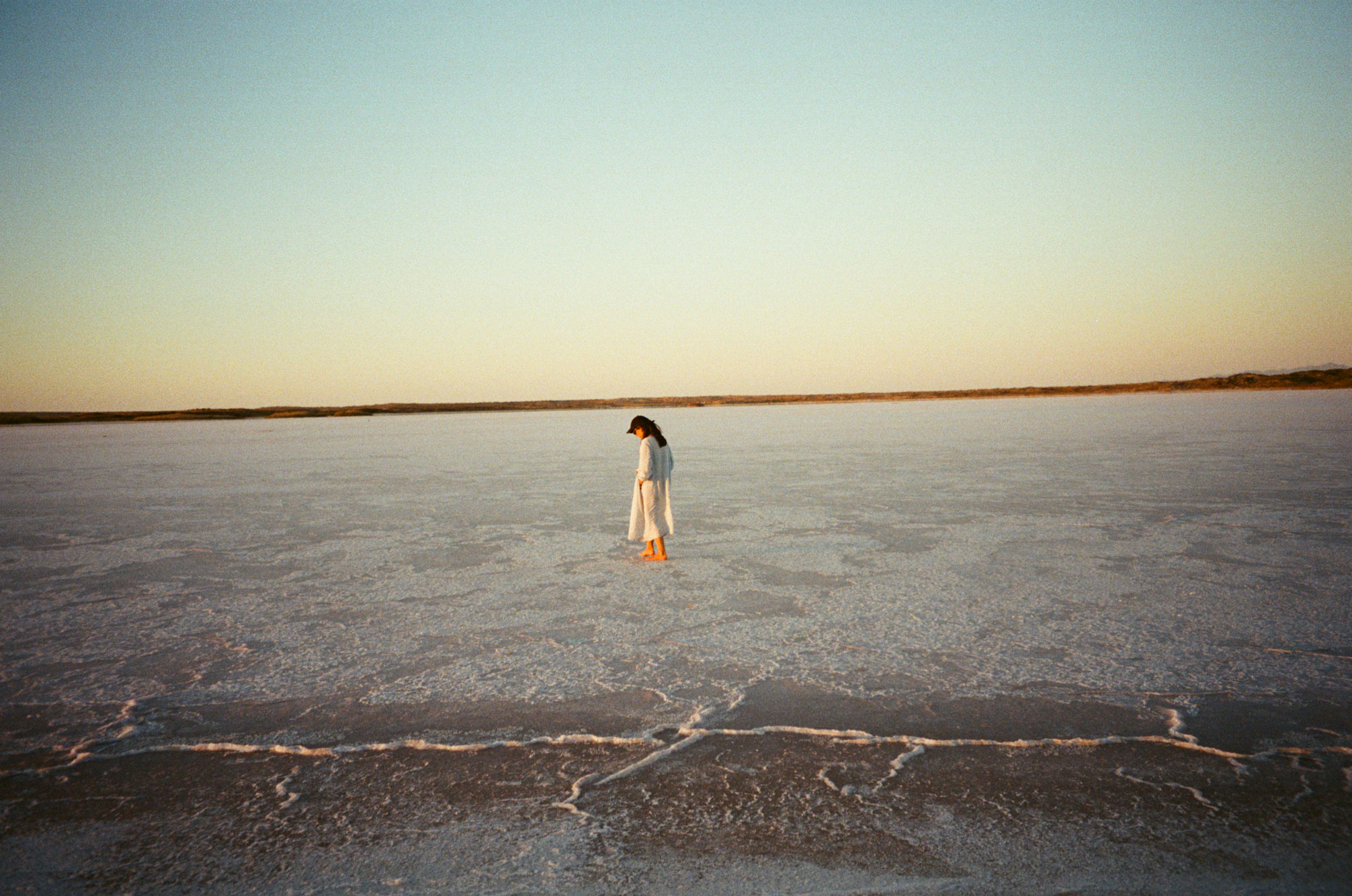
Near the salt flats of the Sonoran Desert, in El Pinacate and Gran Desierto de Altar — where the land transforms into crystalline horizons — the sand reminds us that this was once sea. There, Interplanetary Simulacra took place: a research residency aimed at creating rifts between artistic and scientific practices, exploring intersections with disciplines such as planetary geology, astronomy, astrobiology, as well as the ancestral knowledge of the local Tohono O’odham people.

Interplanetary Simulations

Museum of Contemporary Art of Sonora (MUSAS)
December 6 – April 4, 2025

Embarking on a journey to imagine possible worlds means approaching the territory through essays and drawings, and getting to know it at the borders between the earthly and the cosmic, the natural and the manufactured. It means leaving Earth for a moment, envisioning the endless abyss of the ends of the world that claim us, imagining festivities, and returning to reconfigure something, anything.

Near the salt flats of the Sonoran Desert, in El Pinacate and Gran Desierto de Altar — where the land transforms into crystalline horizons — the sand reminds us that this was once sea. There, Interplanetary Simulacra took place: a research residency aimed at creating rifts between artistic and scientific practices, exploring intersections with disciplines such as planetary geology, astronomy, astrobiology, as well as the ancestral knowledge of the local Tohono O’odham people.

Programa público

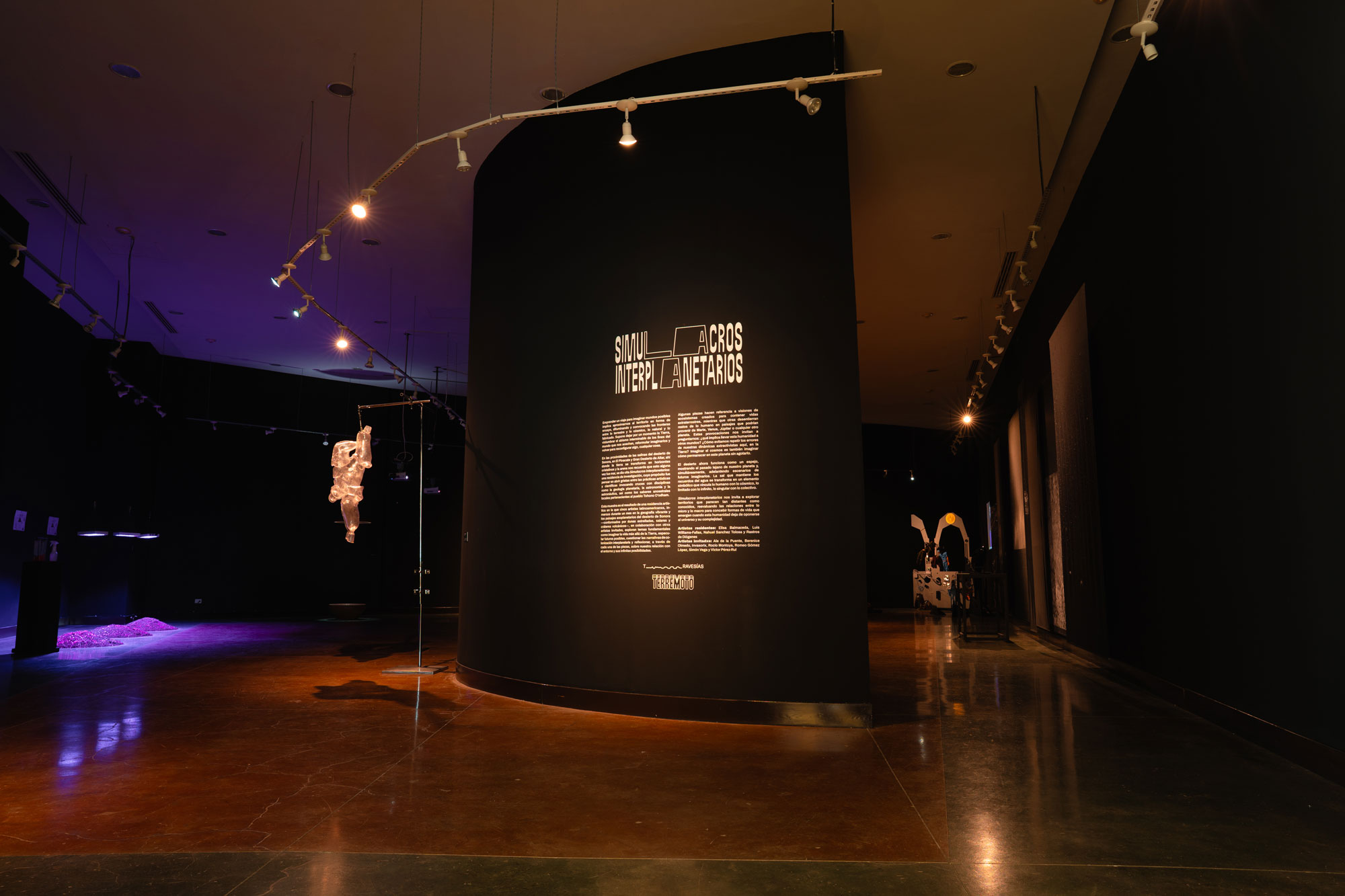
Embarking on a journey to imagine possible worlds means approaching the territory in the form of an essay, blurring and summoning the borders between the earthly and the cosmic, the natural and the manufactured. It means leaving Earth for a moment, glimpsing the endless abyss of the ends of the world that lurk around us, reimagining narratives, and returning to reconfigure something — anything.

Near the salt flats of the Sonoran Desert, in El Pinacate and Gran Desierto de Altar — where the land transforms into crystalline horizons and the sand reminds us that this was once sea — Interplanetary Simulacra took place: a research residency aimed at opening rifts between artistic and scientific practices by invoking intersections with disciplines such as planetary geology, astronomy, and astronautics, as well as the ancestral knowledge of the local Tohono O’odham people.

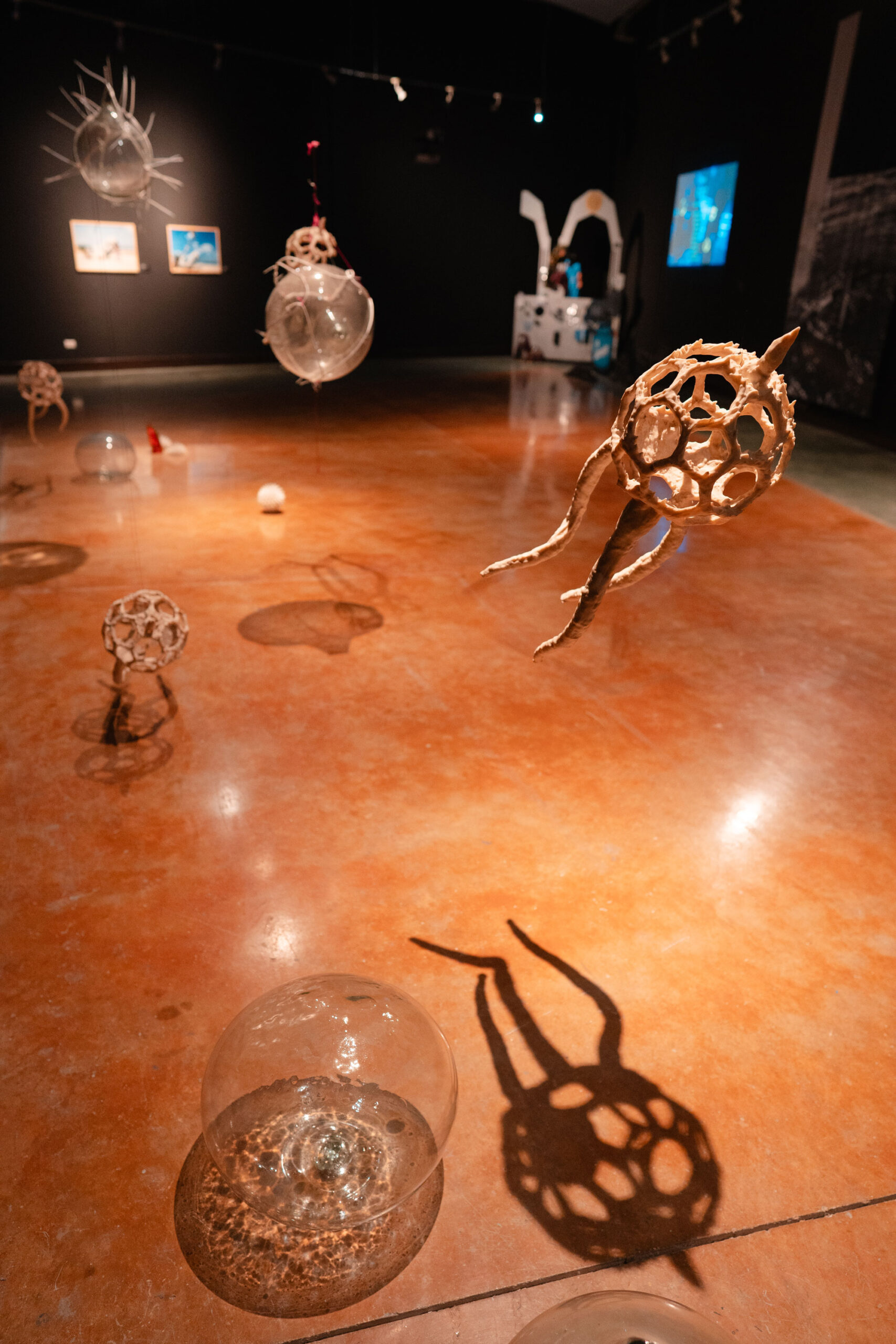
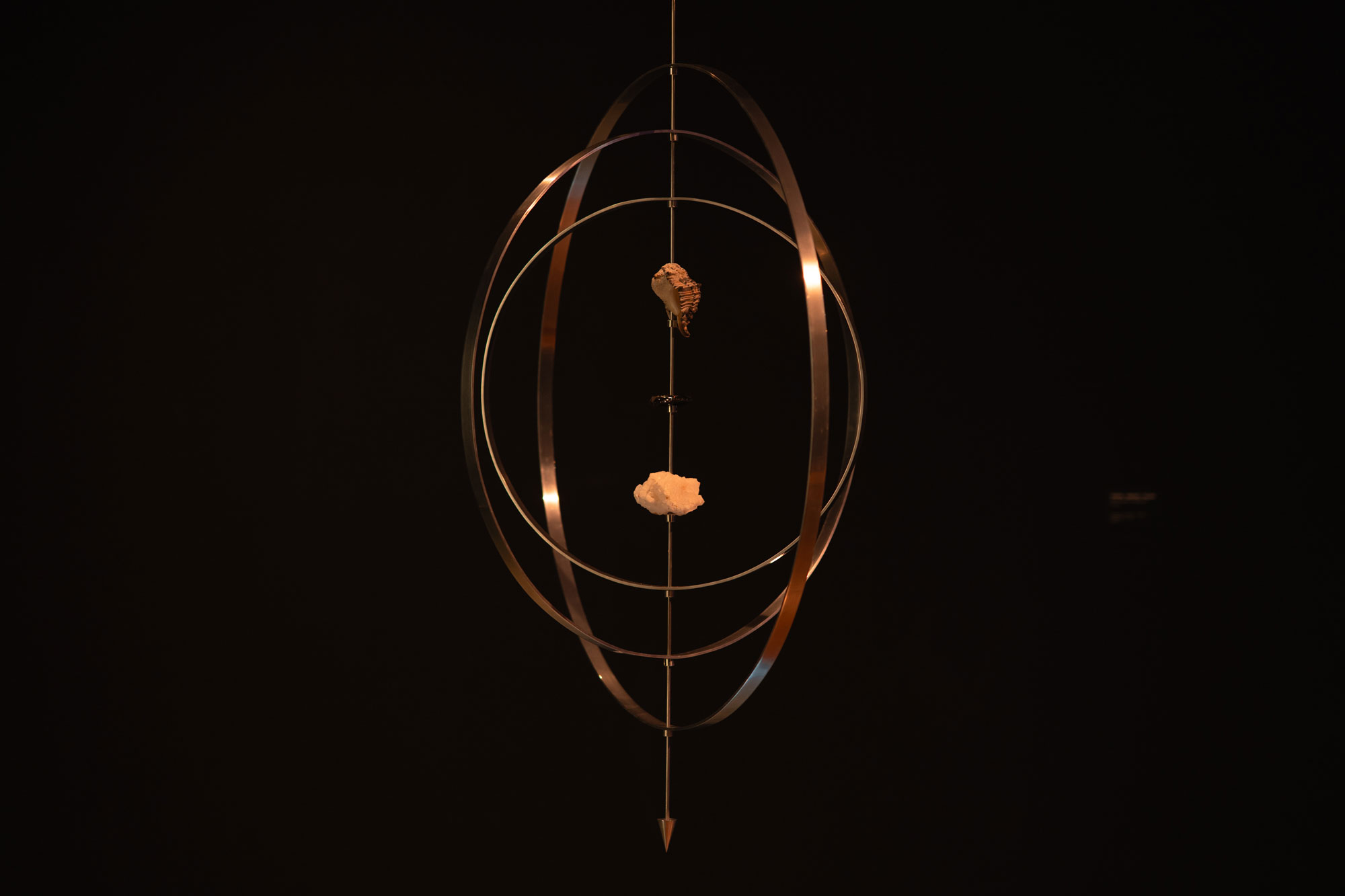
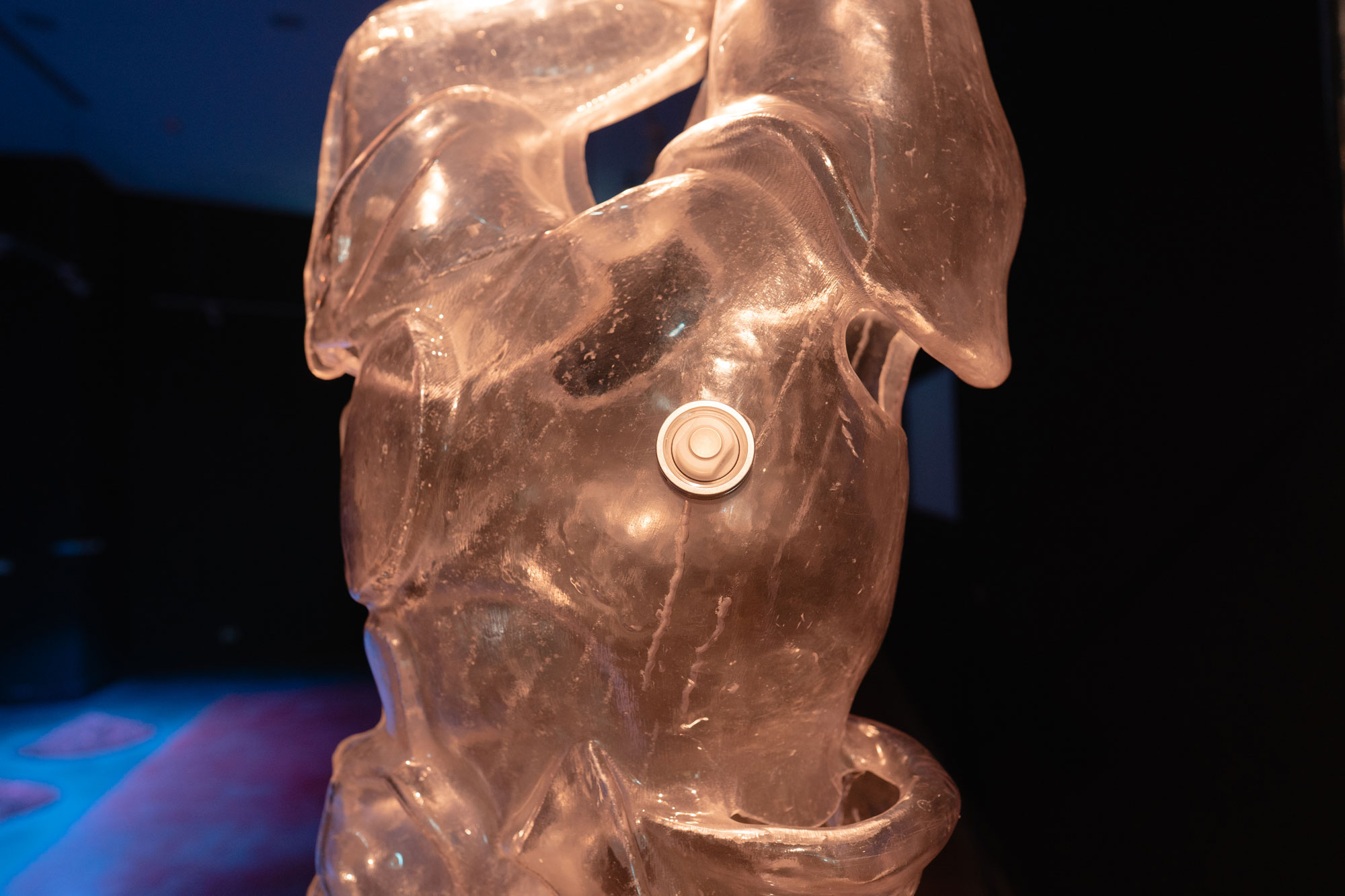
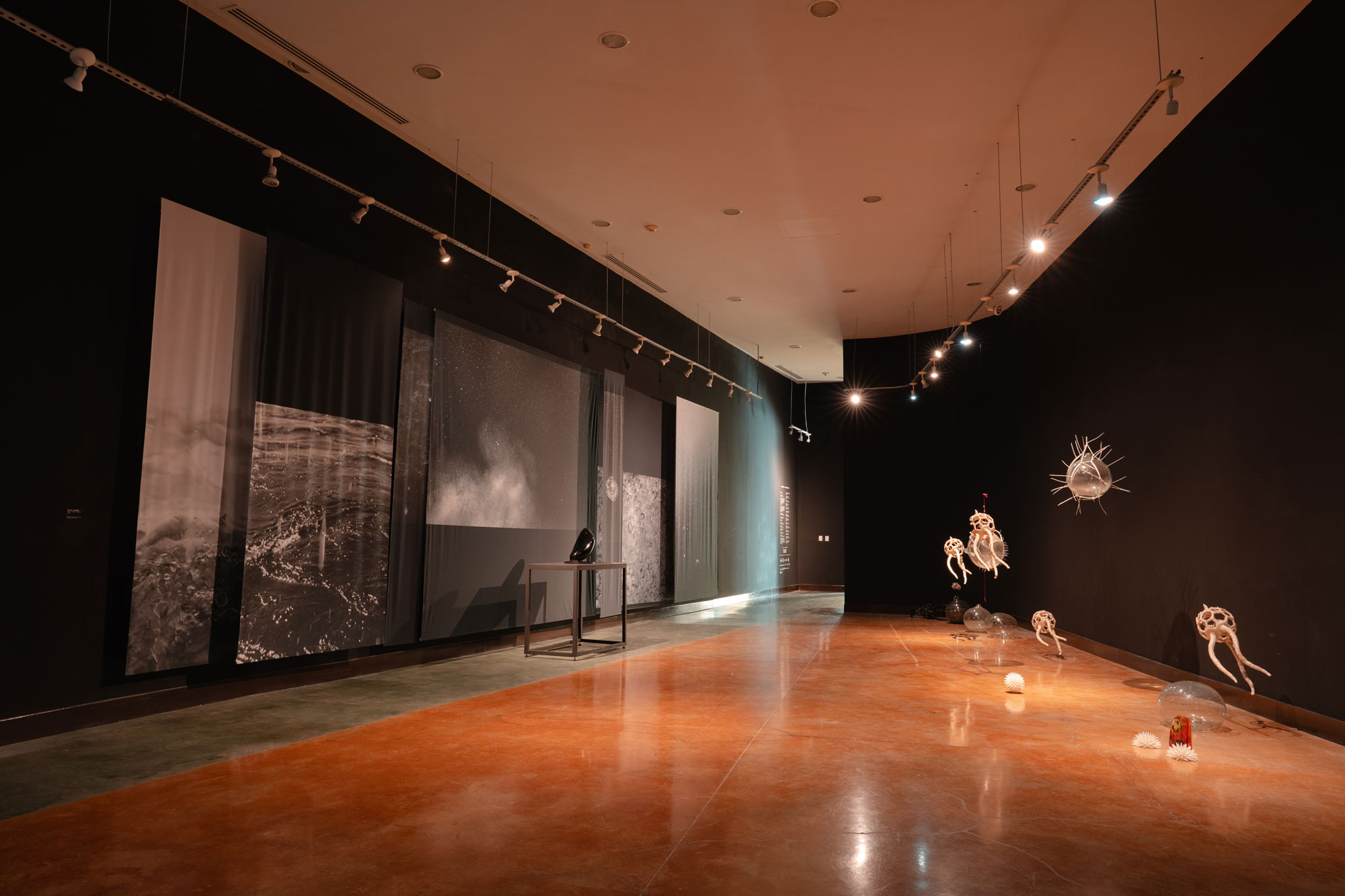
This exhibition is the result of an artistic residency in which five Latin American artists, immersed for a month in the vibrant geography and exoplanetary landscapes of the Sonoran Desert — shaped by star dunes, salt flats, and volcanic craters — together with other invited artists, explore fundamental themes such as imagining life beyond Earth, speculating about possible futures, questioning the narratives of interplanetary colonization, and reflecting, through each piece, on our relationship with the environment and its infinite possibilities.

Some pieces refer to visions of ecosystems created to contain extraterrestrial life, while others unearth remnants of the human in landscapes that could come from Mars, Venus, Jupiter, or any other planet. These provocations invite us to ask: what does it mean to carry this humanity to other worlds? How can we avoid repeating the mistakes of our extractivist dynamics here on Earth? Imagining the cosmos is also imagining how to remain on this planet without exhausting it.

The desert now functions as a mirror, showing the distant past of our planet while simultaneously advancing scenarios of imaginary futures. The salt that holds the memories of water becomes a symbolic element linking the human with the cosmic, the limited with the infinite, the singular with the collective.

Interplanetary Simulations invites us to explore territories that seem as distant as they are familiar, reevaluating the relationships between the micro and the macro to conceive forms of life that emerge when this humanity stops opposing itself to the universe and its complexity.

Publication

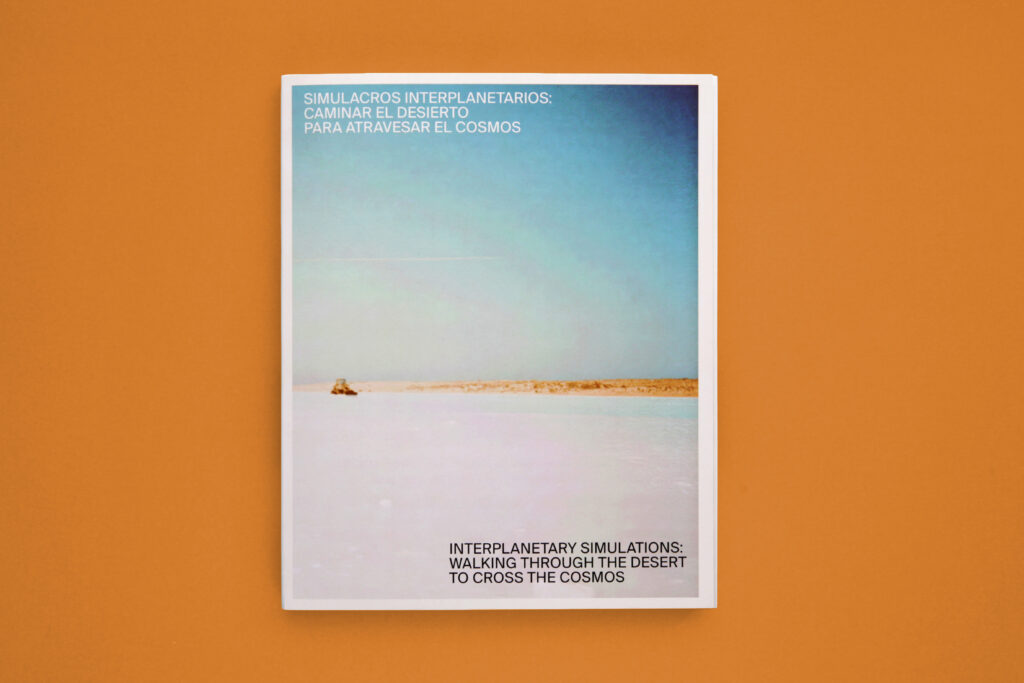
Interplanetary Simulations is the compilation of texts and artistic contributions that emerged from the first artistic residency of Travesías Terremoto. Interplanetary thought, geological questionings, interdisciplinary experiments, narrative speculations, and critical essays on art, other worlds, and their imaginaries come together as a reverberation arising from this journey carried out in the Sonoran Desert. These pages form a constellation of perspectives that rehearse ways of thinking, imagining, and inhabiting landscapes that evoke other worlds.

Allies

The residency and the selection of artists were made possible thanks to various institutional alliances: with Pivô and the Embassy of Brazil in Mexico, Y.ES Contemporary, and LA ESCUELA__, which enabled artists of different profiles and nationalities to be part of the residency.

Support

Interplanetary Simulations is made possible thanks to the generous support of The Andy Warhol Foundation for the Visual Arts (United States), Ayarkut Foundation (Mexico), Fundación Ama Amoedo (Uruguay), and Intelisis Software through EFIARTES (Mexico). We thank the El Pinacate and Gran Desierto de Altar Biosphere Reserve and the Museum of Art of Sonora (MUSAS) for hosting this project.

Special thanks to: Rocío Germán Montijo, Daniel Zamora, Octavio Avendaño, the El Pinacate and Gran Desierto de Altar Biosphere Reserve, and the Alto Golfo de California and Colorado River Delta Biosphere Reserve.

Credits

Invited scientists and curators

Felipe Ávila, Danton Bazaldua, Marcela Chao, Sofía Flores Fuentes, Cristina Elena Lizarraga, Lilia Montoya, Arturo Montero, Karen Reyes, Ítala Schmelz

Production

Rocío Fernandez de Angulo

Exhibition coordination

Nínive Salas Redmond